Learn to hold
any room.
Powered by ECS® · AJ&Smart
A 2-day in-person training for people who want to facilitate at the level clients actually pay for.
Two days. Two trainers. Two evenings you cannot get anywhere else.
In-Person Training
Two days of hands-on training in a room of twenty, with both trainers there the whole time.

LinkedIn Deep Dive
An evening with Rujuta on how she grew from 2,000 to nearly 95,000 followers in a year, and what it did for the business.
AI Business Deep Dive
An evening with Chris on building and running a business on AI, which is exactly how he built his.

Printed ECS® Handbook
The full handbook, printed, yours to keep.

Live Feedback
You facilitate a full session for the group and get specific feedback from both trainers.

Certification
Signed certificate of completion.
What is ECS®?
ECS® (Emergent Collaboration System) is AJ&Smart's facilitation framework, built over fourteen years running workshops for Google, LEGO, Verizon and GE. It covers mindset, model and tools.
Two days won't cover everything. ECS is a five-day course. What we focus on: the foundations that decide whether you hold a room or lose it, and hands-on practice with feedback from two people who do this for a living.
It has three parts.
Mindset
Optimistic, adaptable, aware. What decides whether you hold a room or lose it.
Model
Core insight, principles, skills, structure and activities. How to think about any session before you design a minute of it.
Tools
Ten exercises and four workshop recipes you can mix for any group and any challenge.
The only in-person training powered by ECS®, anywhere.
Facilitation has moved online. ECS is taught through video courses now, and AJ&Smart have no in-person training scheduled anywhere in the world.
This is the only in-person training powered by ECS currently running. Two days, twenty people, London, December.
More tools won't save you.
Everyone has the sticky notes. The frameworks. The Miro boards.
What separates the facilitators people ask for by name is what happens when the room goes wrong. When someone senior pushes back, when the energy drops, when the group can't decide.
You can't learn that from a video. You learn it in a room, with someone watching who can tell you exactly what happened.
“Rujuta has held rooms of 1,800 people. Chris has run companies. You'll have both of them in the room with you for both days.”
LinkedIn followers Rujuta grew from 2,000 in a single year
of real workshops distilled into ECS
AJ&Smartpeople trained on ECS worldwide
AJ&Smartthe largest room Rujuta has held
You cannot learn to hold a room by watching one.
Facilitation training has moved almost entirely online, and the online courses are good. You can learn the frameworks, the exercises and the templates from a screen, and plenty of people have.
What a screen cannot do is put you in front of people.
There is a version of this we hear constantly. Someone sees the templates and the sticky notes and thinks the tools are the skill. Give me that template and I could run that session too.
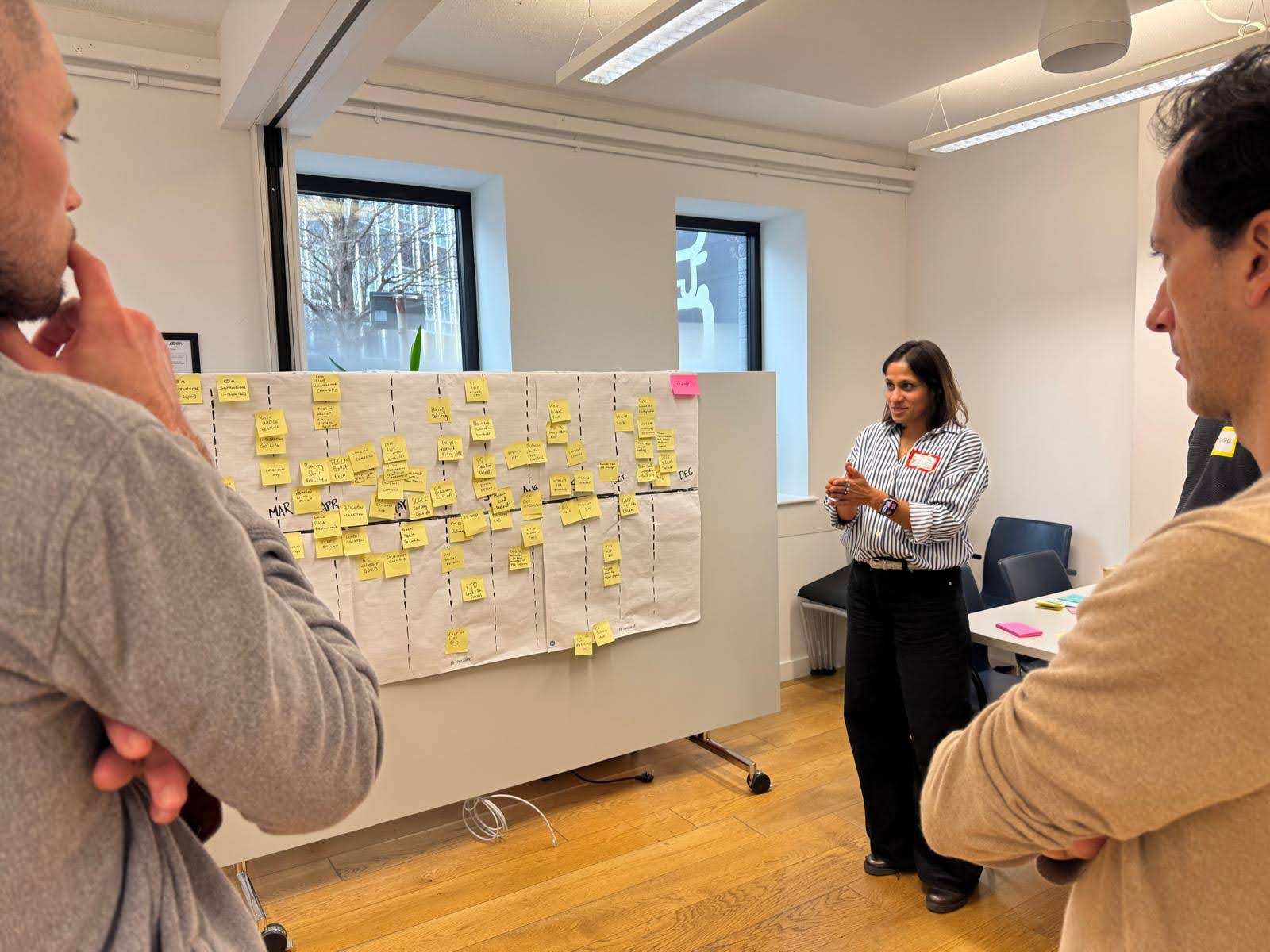
It is never true. The skill is walking into a room with ten senior people who did not clear their diary happily, holding their attention for six hours, and getting them to commit to a decision they will still stand behind on Monday morning.
Nobody learns that from a video. You learn it by doing it, getting parts of it wrong, and having someone in the room who can tell you exactly what happened.
Learn the mindset and the model.
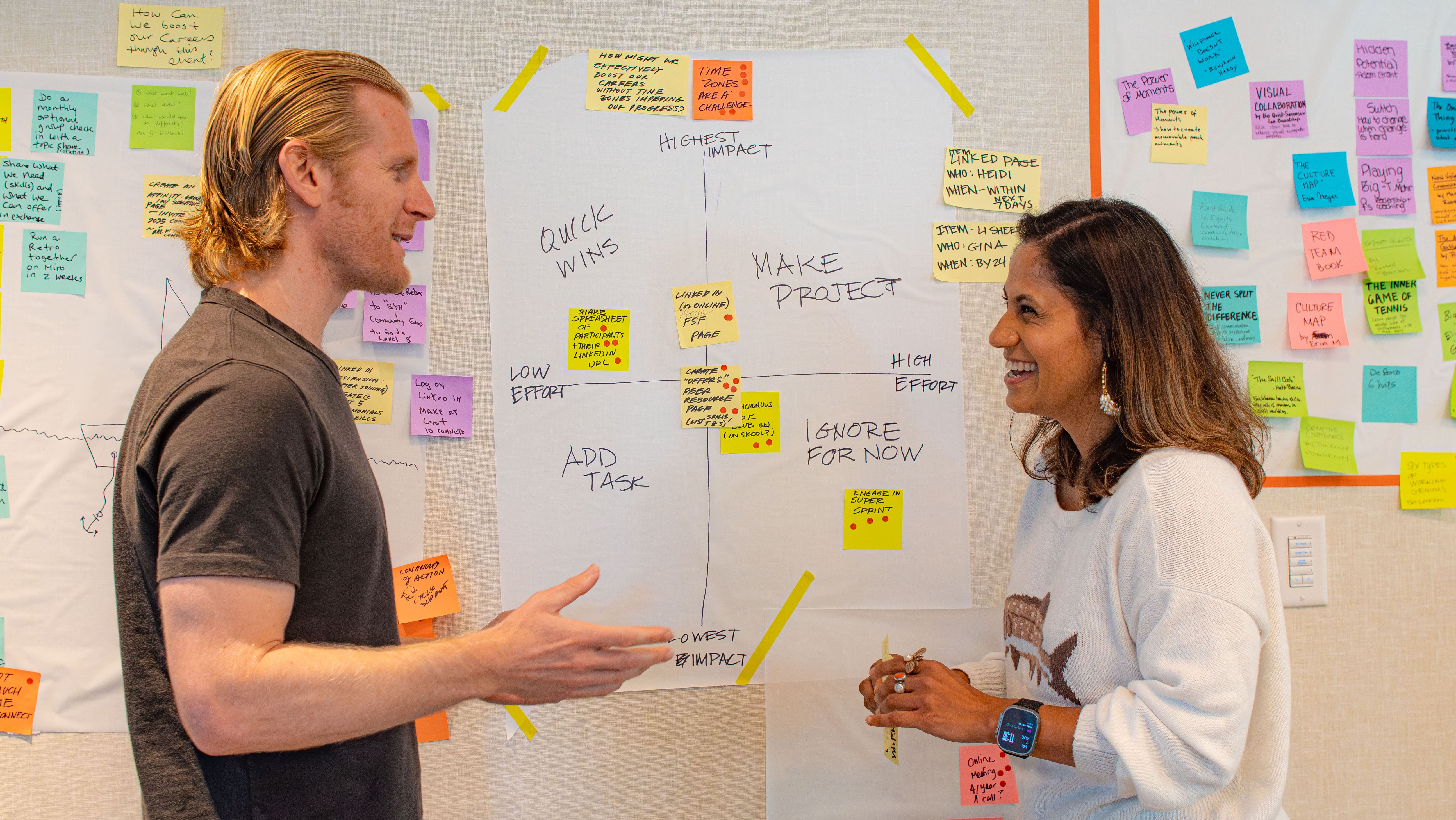
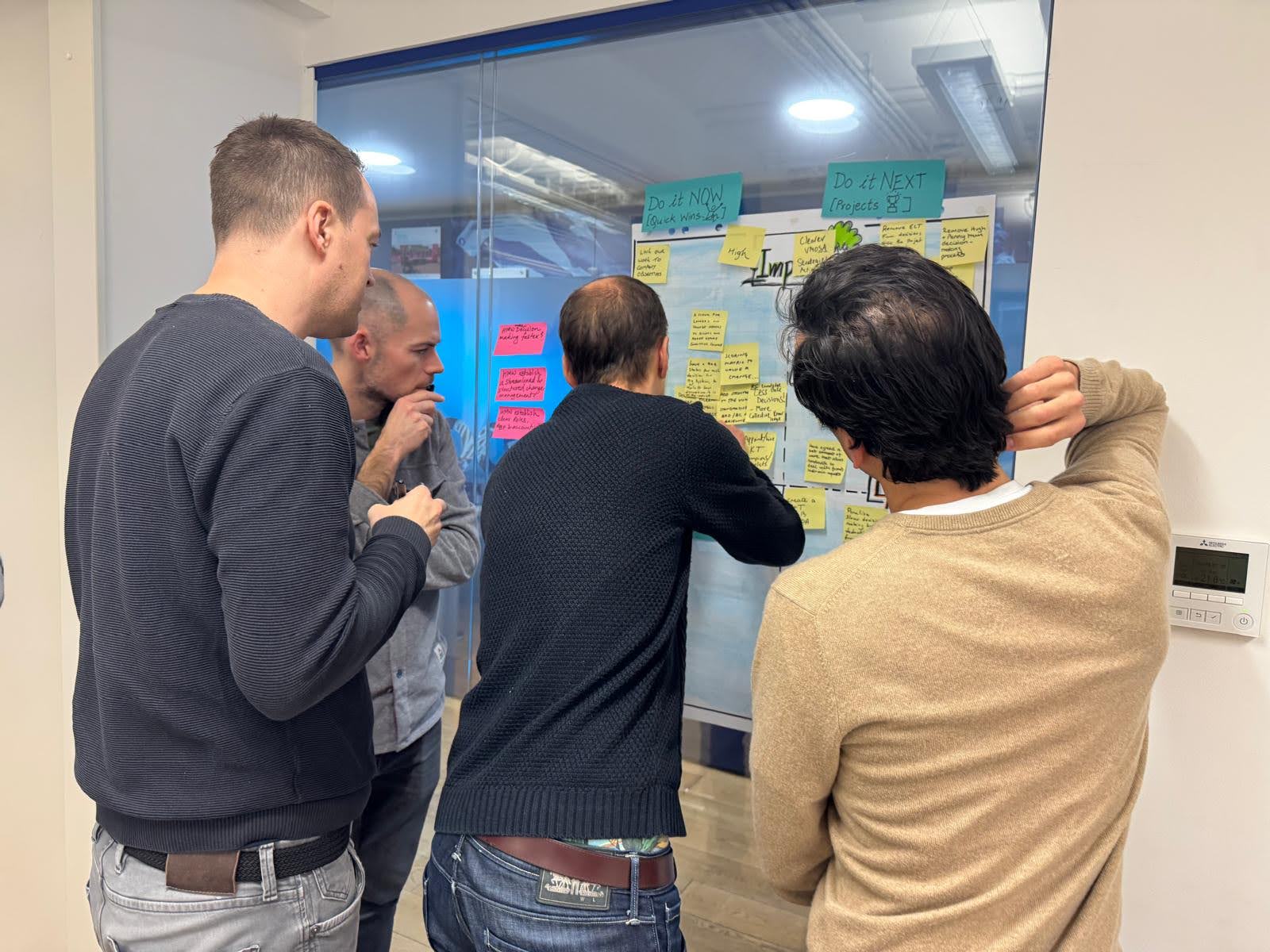
Learn the mindset and the model that sit underneath every well-run session, and use each piece as soon as you learn it.
What you’ll learn
- Why collaboration breaks down in almost every group, and what a facilitator actually changes
- The ECS Mindset in practice: optimistic, adaptable, aware, tested in scenarios built to knock you off balance
- The four Core Principles: sequenced discussions, visualised discussions, work alone together, always a decision
- The Core Skills that decide whether a session holds: staying neutral, giving clear instructions, asking good questions, managing time and energy, handling the difficult participant
- What you personally default to when a session goes wrong, which most facilitators have never been shown
Every concept is practised, not just explained. You leave Day 1 having run real exercises with real feedback.
Design it. Run it. Get the feedback.
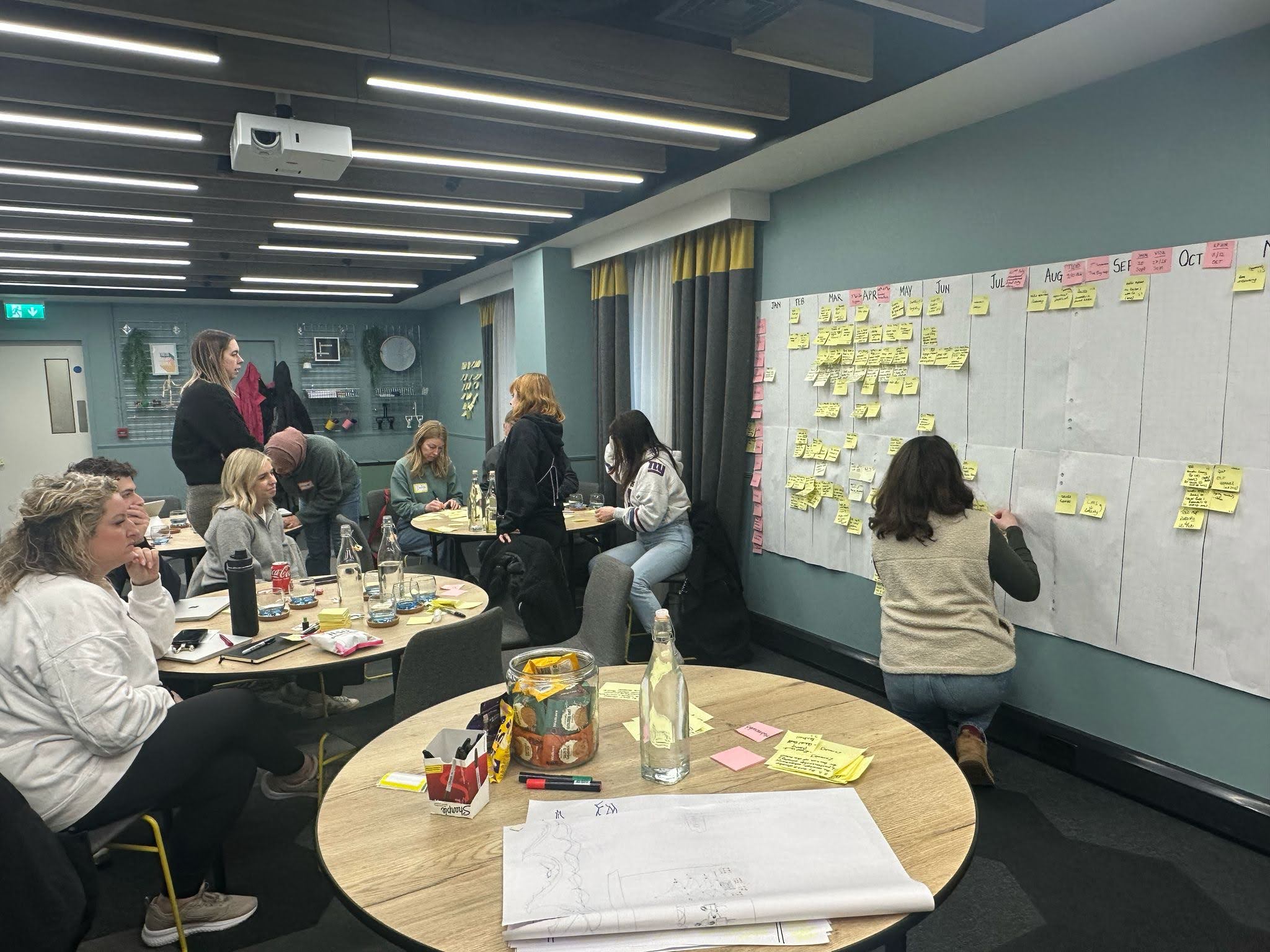
Day two is practice. You learn the tools, design a real session, run it in front of the room, and find out what you actually do when it stops going to plan.
What you’ll learn
- The Core Structure that shapes any session: Start Strong, the four Cs, End Stronger
- The four Core Activities, facilitated by you rather than demonstrated at you: post-up, clustering, dot voting, prioritisation
- The ECS tools and workshop recipes, and how to pick the right one for the room in front of you
- How to design a session backwards from the outcome you need
- You facilitate a full session for the group, with disruptions thrown in on purpose
- Specific feedback from both trainers and from the room, and the three things to work on next
Two evenings. Two people who actually do this.
Both days finish in the late afternoon. Then we stop, get food, and do something completely different. These two sessions are only available to this room. They are not sold anywhere, and neither is recorded. Both are open Q&A. No slides, no theory. You ask, we answer.
with Rujuta
2,000 to 95,000 followers in a year, and the business that came with it.
Rujuta grew her LinkedIn following from 2,000 to nearly 95,000 in twelve months. It changed where her work comes from and it changed the business.
This is the whole thing, open floor. What she posts and what she refuses to post. What actually moved the numbers and what did nothing at all. How followers turned into clients. What she got wrong. What she would do differently starting from zero tomorrow morning.
Bring questions. Bring your profile.
Building a business on AI
with Chris
He built his company from scratch on AI, and runs it on AI every day.
Chris built his business from nothing using AI, and the day to day still runs on it. This is not a tour of tools you could find yourself.
What he actually uses and what he dropped. What is worth automating and what is not. How to run a practice without handing your weekends to admin. Where AI genuinely earns its place in this kind of business, and where it wastes your time.
Open floor, same as the first evening.
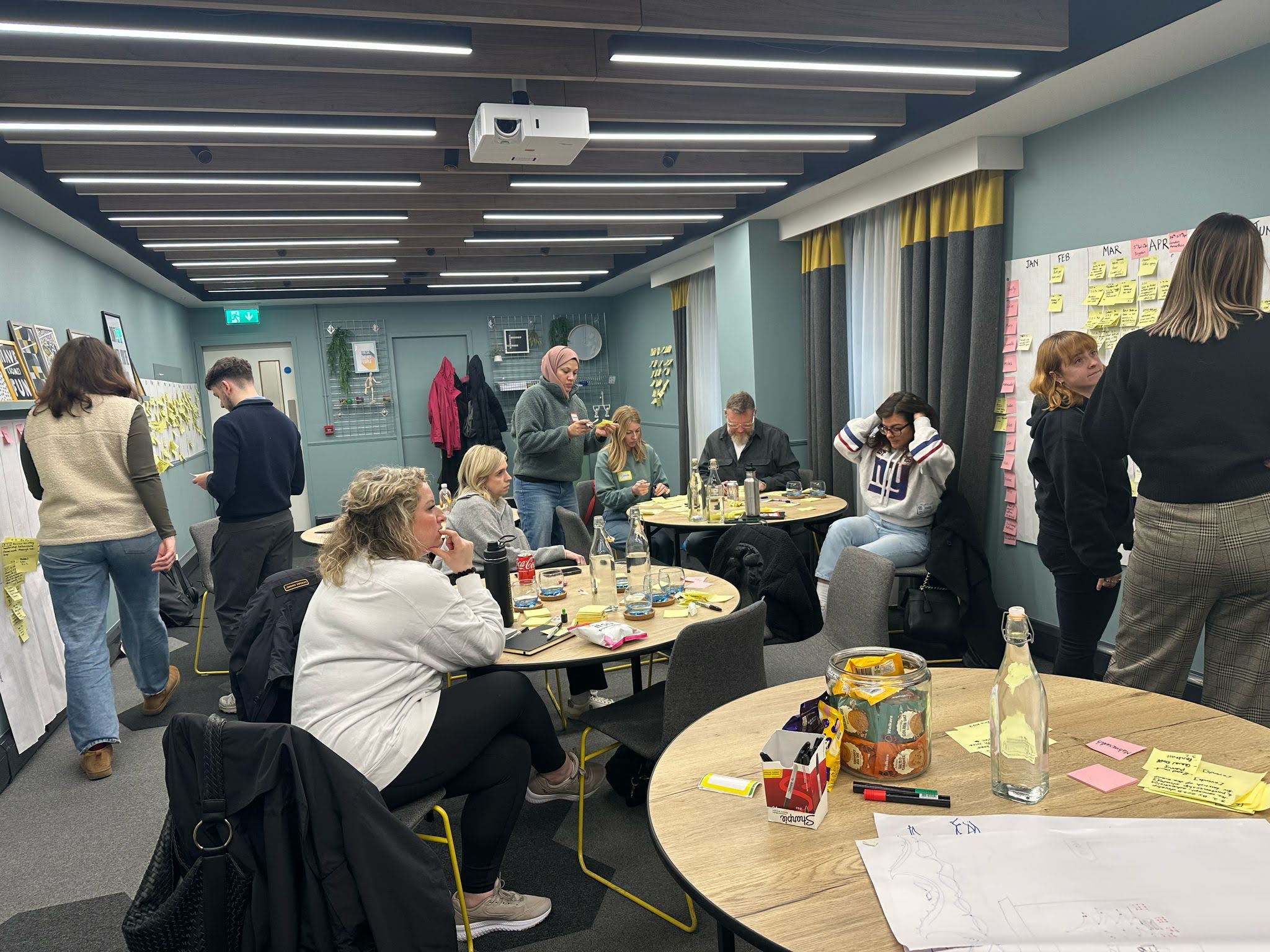
Twenty people. One room. Two trainers.
Small enough that everyone facilitates and everyone gets feedback. Above twenty, one of those two stops being true.
Three kinds of people come to Facilitation Foundations.
You facilitate at work
You run workshops and sessions inside your organisation, trained or not, and it mostly goes fine. You want a proper system underneath you instead of instinct, and you want to know how good you actually are from people who can tell you.
You have trained online, never in a room
You have done Workshopper Master, Facilitation Fundamentals, the books, the courses. You have the system. What you have never had is a real group, in person, with someone experienced watching you work.
You facilitate professionally
You do this for a living and you are good. You want two days with other facilitators to sharpen the parts you cannot practise alone, and to see how people at the top of this handle the room.

Rujuta Singh
Solved Together
- AJ&Smart Guide
- One of around 27 Verified Facilitators and Trainers with facilitator.com worldwide
- Over two decades leading enterprise transformation in Fortune 500 companies
- Ex-PwC, ex-Accenture, ex-Microsoft
- Certified in LEGO SERIOUS PLAY, Design Sprint trained by Jake Knapp, Bikablo visual facilitation and improv
- More than 150 facilitation experiences
- Largest room held: 1,800 people
- Runs in-person AI Confidence Days for CXOs and board members
- Nearly 95,000 followers on LinkedIn

Chris Bradshaw
Collective Intelligence
- 22 years in technology and digital strategy
- Started in tech at 21, running companies by his late twenties
- Former CEO of agency groups and Global Strategy Director at leading transformation agencies
- Enterprise AI Partner at Board of Innovation
- Founder of Collective Intelligence
- Works with senior leaders at KPMG, BMW and Selfridges on AI adoption and decision-making
- Built his business from scratch on AI
[CHRIS TO ADD: one line on facilitation background]
Why we built this.
Two reasons, both honest.
Because it didn't exist. Good in-person facilitation training, at a price that doesn't need a budget approval.
We run AI Confidence Days and strategy sessions for boards and senior leaders. The reason they work is facilitation. We needed more people we could trust in front of a client, so we built the programme we'd want to have taken ourselves.
To be clear: this is a training course, not a recruitment process. No job attached, no assessment, nothing implied. We are telling you why we built it.
Two ways to join.
AJ&Smart's own in-person bootcamp, Full-Stack Facilitator, runs five days at $14,300 in Palo Alto or €13,300 in Berlin. It currently has no upcoming dates.
Twenty places, first week of December, central London. Two days, two trainers, and two evening sessions you cannot get anywhere else.
Guarantee
If you do not think it was worth it, tell us by the end of day one and we will refund you in full. No questions asked.
Cancellation: Full refund if you cancel more than 30 days before. 50% if more than 14 days before. None inside 14 days. If we cancel, you get everything back.
Common questions.
First week of December 2026 · London, UK
Twenty places. First week of December. London.
£3,999 for the first 24 hours after the announcement, £5,999 after that. There is no other in-person training powered by ECS® scheduled anywhere in the world right now.
Join the waitlist© 2026 Collective Intelligence & Solved Together. Powered by ECS® · AJ&Smart.